
WE DON’T DREAM ANYMORE, MAN
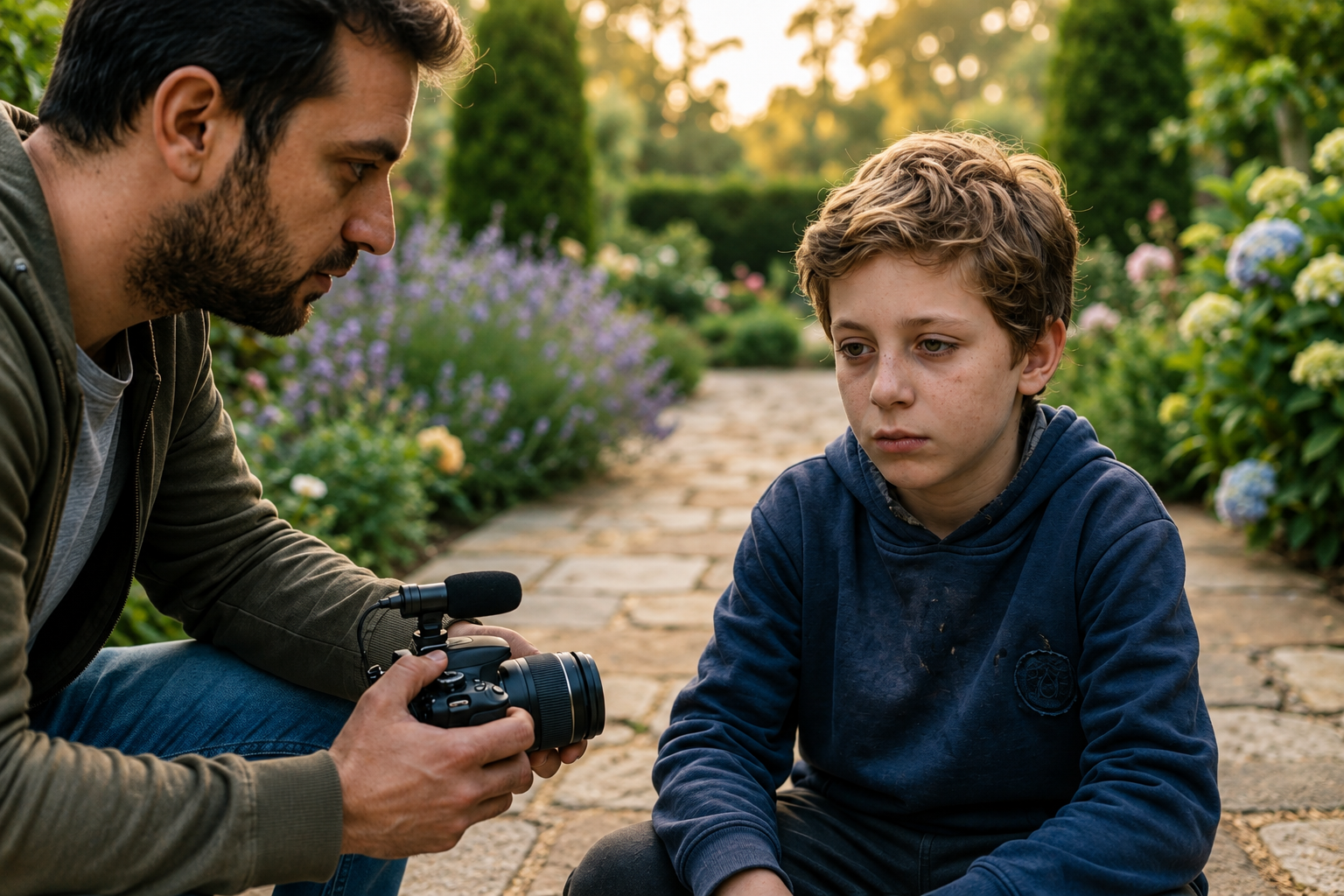
The other day, while scrolling through Facebook, I came across a reel that left me unable to hold back my tears. During a street interview, someone asked a young boy:
“What is your biggest dream?”
The boy remained silent for a few seconds. Then, with neither anger nor excitement on his face, he answered with nothing but a weary sense of reality:
“We don’t dream anymore, man.”
Sometimes, a single sentence can tell the story of a society more powerfully than pages of explanation ever could.
“We don’t dream anymore.”
This is not merely one young person’s answer. Perhaps it is a quiet cry rising from an entire generation.
Because when people stop believing in the future, they eventually stop dreaming about it.
There was a time when young people were asked, “What do you want to be when you grow up?” Some wanted to become doctors, others teachers, engineers, artists, or pilots. More importantly, they could imagine themselves having a place in the future.
Today, however, many young people think first about making ends meet, then about finding a place to live, and only after that about finding a secure job. Dreams have been pushed behind the basic necessities of life.
Yet dreaming is the first step a person takes toward the future.
As long as a person can still dream, they have not been defeated. To dream is to say:
“Tomorrow can be different from today.”
But what happens when a young person says, “I don’t dream anymore”?
Perhaps what we need to question is not the young person’s imagination, but the kind of future we have left for them.
Maybe the real question should be:
“Why have young people stopped dreaming?”
Because being young is not enough to dream. Dreaming also requires a little hope, a little trust, and the belief that the future can be better than the present.
When a society realizes that its young people are beginning to lose their dreams, it is not merely at risk of losing today. It is also in danger of losing tomorrow.
Because the future of a country is not built only in factories, universities, skyscrapers, or technology centers.
The future is built first in the mind of a young person.
It begins when a child says:
“I can do this.”
It grows when a young person says:
“One day, I will have a home of my own.”
“I will write a book.”
“I will travel the world.”
“I will do something useful for other people.”
But if, instead of all these dreams, a young person says:
“We don’t dream anymore, man.”
then perhaps we all need to ask ourselves what happened to the future they were supposed to inherit.
Because the most dangerous form of poverty in a society is not merely the lack of money in people’s pockets. It is the exhaustion of their belief in a future.
Let us not belittle the dreams of young people.
Simply telling them, “Work hard,” is not enough.
People also need a future worth working for, a tomorrow worth believing in, and a world in which they can still imagine themselves living.
Because when a young person loses their dreams, they do not give up only on their own future.
A small piece of a country’s future quietly disappears with them.